 By
By Creating a beautiful yard doesn’t have to come at the expense of the environment. Sustainable gardening practices not only enhance the aesthetics of your outdoor space but also support local ecosystems and reduce resource consumption. Here are some inspiring ideas to help you design a yard that’s as eco-friendly as it is stunning.
Embrace Native Plants
Native plants are adapted to your region’s climate, soil, and wildlife, making them an ideal choice for a sustainable garden. These plants typically require less water, fertilizer, and pest control than non-native species, reducing maintenance and environmental impact. Incorporate a mix of native flowers, shrubs, and trees to create a vibrant landscape that attracts pollinators like bees and butterflies.
Install a Rain Garden
A rain garden is a functional and attractive way to manage stormwater runoff while enhancing your yard’s beauty. These gardens are designed to capture and absorb rainwater from roofs, driveways, or patios, preventing erosion and water pollution. Use water-loving plants like ferns, irises, or sedges in the center, and drought-tolerant species along the edges for a layered look.
Compost for Rich Soil
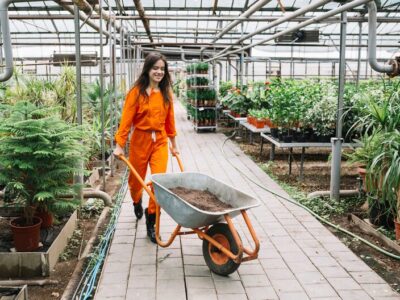
Turn kitchen scraps and yard waste into nutrient-rich compost to improve your soil and reduce landfill waste. Composting is an easy and sustainable way to recycle organic material into a natural fertilizer. Set up a compost bin or pile in a shaded area and layer greens (like fruit peels) with browns (like dry leaves) for optimal decomposition. Regularly adding compost to your garden beds promotes healthy soil and reduces the need for synthetic fertilizers.
Design a Pollinator-Friendly Garden
Support local pollinators by planting a diverse range of nectar-rich flowers and shrubs. Choose species that bloom at different times of the year to provide a consistent food source for bees, butterflies, and hummingbirds. Avoid using chemical pesticides, as they can harm beneficial insects. Add features like birdbaths, bee hotels, or small water sources to create a welcoming habitat.
Use Sustainable Hardscaping
Hardscaping elements like pathways, patios, and retaining walls can enhance the structure and functionality of your yard. Opt for sustainable materials such as permeable pavers, reclaimed bricks, or natural stone to reduce environmental impact. Permeable surfaces allow water to seep into the ground, minimizing runoff and replenishing groundwater.
Harvest Rainwater
Rainwater harvesting is an eco-friendly way to water your garden while conserving resources. Install a rain barrel to collect water from your roof gutters, and use it to irrigate your plants during dry periods. Rainwater is free of chlorine and other chemicals found in tap water, making it ideal for nourishing plants.
Plant Trees for Shade and Energy Savings
Strategically planting trees in your yard can provide shade, reduce energy costs, and improve air quality. Deciduous trees placed on the south or west side of your home can block summer heat while allowing sunlight to warm your home in winter. Trees also absorb carbon dioxide, making them an essential part of a sustainable landscape.