By
By Indoor growing setups have been getting more popular lately, mostly because people want something neater and easier to handle than regular outdoor gardening. A tower garden is made for this kind of indoor life, it uses vertical growing plus a steady water circulation system. Instead of keeping everything spread out on big soil beds, the tower keeps plants stacked upward in a compact layout, so it fits better when your room is limited, not a lot of space to spare.To start a tower garden, you kinda have to get the basics down first: how the tower moves water, how to prep the water setup right, and how to keep the growing conditions from drifting too much over time. Once it’s laid out in a clean contained way, it can actually feel easier to manage than a more traditional indoor setup, even if you’re busy.
How the vertical growing part works
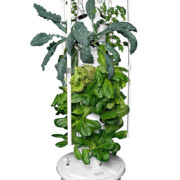
The tower garden’s most noticeable feature is the stacked, vertical arrangement. The system uses stacked sections sitting above a water reservoir. Each section has openings where plants go, during the planting or seedling stage.That upward design lets several plants grow at once while still using a smaller footprint. You are basically replacing horizontal “take over the room” growth with a more space-wise vertical pattern. This makes the tower pretty practical for indoors where you might not have much floor area.Also, keeping things in an organized vertical system tends to make the indoor grow feel cleaner and simpler to handle day to day.
Getting the reservoir system ready
The reservoir is the base, the part that really matters. It holds the water and nutrient mix that then circulates through the whole setup, again and again.Water gets pumped from the reservoir up to the top, then flows downward through each growing section. As the solution travels, plant roots absorb both nutrition and hydration straight from that moving liquid.Because the system relies on constant circulation, keeping an eye on the water level becomes one of those ongoing tasks you just have to treat seriously, for healthier development indoors.
Moving plants into the system
Before plants are set into the tower, they usually need enough root growth to survive transplanting. Once they’re ready, you place them into the proper growing holders, which lock in neatly with the openings built for planting. That fixed placement helps keep spacing even all the way through the tower. Every plant stays in its own spot, so the structure stays balanced, and things don’t get messy as growth continues upward.
After placement, the circulating water starts helping right away since roots get direct contact with the nutrient solution.
Keeping indoor conditions stable
Indoor growing is all about consistency. Since plants are kept in a controlled situation, you really need to maintain steady conditions so progress is smooth, not sudden or chaotic.Lighting timing, water movement, and nutrient balance all combine into how well the system performs. Many people stick to daily routines, so the cycle stays predictable.In other words, a tower garden does better when the environment stays steady, rather than changing frequently like a mood swing.
Watching water flow and nutrient balance
The circulation system is one of the most critical components. Water has to move consistently through the tower so each plant gets a fair share of nutrients and hydration.Over time, plants drink more, so the water level can gradually drop and the nutrient strength can shift. Keeping track of these changes helps keep the whole system in balance.Regular check-ins can also catch circulation hiccups early, before they start affecting plant growth.
Compact growing that fits indoor life
A major reason vertical growing wins indoors is simple: you can grow plants without needing a huge area. The tower structure stays contained, making it workable within a manageable space.This approach fits well in apartments, kitchens, balconies, and other indoor spots where normal gardening setups just feel off, or honestly, too unrealistic. The contained setup also cuts down clutter, so your indoor environment stays cleaner.Even with a small layout, the tower lets multiple plants grow together while still keeping the system organized and easy to reach.
Easier access during upkeep
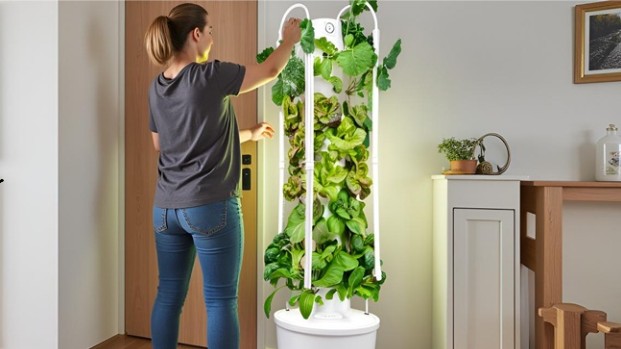
The vertical design gives you better access across the growing period. Since plants sit at multiple levels, checking progress or doing maintenance feels less painful than trying to reach around a crowded horizontal arrangement.The structure also makes routine tasks easier, like confirming water levels, observing plant development, and harvesting once growth is mature.Everything is positioned inside a clearly defined system, so navigating it indoors feels less confusing.
Long-term indoor cultivation support
A tower garden is made for ongoing indoor growing, not just one short attempt. With stable circulation and regular upkeep, the tower can keep going across multiple growing cycles.Since the tower runs indoors, it’s less bothered by outdoor weather swings or seasonal changes. That can mean plants keep developing year-round in a more controlled setting.Long term indoor growing gets easier once the system stays organized and consistently maintained, instead of “wait until it looks bad then fix everything.”
Harvesting in a stacked structure
When plants mature, harvesting can be done directly from the vertical layout. Because plants are at different levels, you can reach them without messing up the rest of the tower.Depending on the plant, harvest might happen gradually while other sections keep developing. That approach can help keep productivity steady within the setup over time.
Final Thoughts
Starting a tower garden involves more than simply assembling a vertical planter. It requires maintaining circulation, monitoring nutrients, and supporting plants within a controlled indoor environment.
With its compact structure, organized layout, and water-based growing system, a tower garden offers a practical indoor growing method for users looking to maintain plants in limited spaces while keeping the setup clean and manageable.