 By
By Gardening is both an art and a science, and achieving a lush, thriving garden requires a combination of proper care, planning, and a bit of patience. Whether you’re a seasoned gardener or just starting, these expert tips will help ensure your plants remain healthy and vibrant throughout the growing season.
Understand Your Soil
Healthy plants start with healthy soil. Before planting, test your soil to determine its pH level and nutrient content. Most plants thrive in soil with a neutral to slightly acidic pH, typically between 6.0 and 7.0. Amend your soil with compost or organic matter to improve its texture, fertility, and ability to retain moisture. Well-prepared soil provides a strong foundation for your plants, allowing their roots to grow deeply and absorb nutrients effectively.
Water Smartly
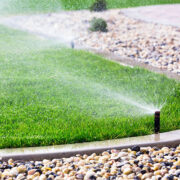
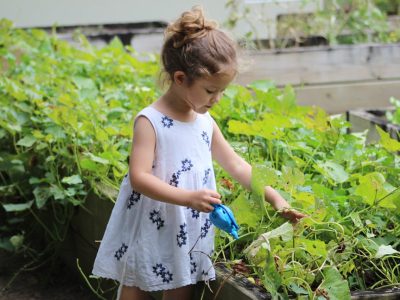
Proper watering is crucial for plant health, but overwatering or underwatering can lead to problems like root rot or dehydration. Water deeply but infrequently to encourage deep root growth, which makes plants more resilient during dry spells. The best time to water is early in the morning when temperatures are cooler, reducing evaporation and allowing plants to absorb moisture before the heat of the day. Use drip irrigation or soaker hoses to deliver water directly to the roots and minimize waste.
Mulch for Healthier Plants
Mulching is one of the simplest and most effective ways to keep your plants thriving. Apply a 2- to 3-inch layer of organic mulch, such as shredded bark, straw, or compost, around your plants. Mulch helps retain soil moisture, suppress weeds, regulate soil temperature, and add nutrients as it decomposes. Be sure to leave a small gap around the base of plants to prevent rot and allow proper airflow.
Feed Your Plants Wisely
Just like people, plants need the right nutrients to grow and thrive. Use a balanced fertilizer or compost to provide essential nutrients like nitrogen, phosphorus, and potassium. For flowering plants, consider a fertilizer high in phosphorus to encourage blooms. Always follow application instructions to avoid over-fertilizing, which can harm plants and pollute the environment. Organic fertilizers are a great option for long-term soil health.
Prune and Deadhead Regularly
Pruning and deadheading are essential for maintaining healthy and attractive plants. Remove dead or diseased branches to prevent the spread of pests and diseases. For flowering plants, deadhead spent blooms to encourage continuous blooming and prevent seed production. Use clean, sharp tools to make precise cuts, and prune in the appropriate season for each plant type to maximize their health and growth.