 By
By Handling minor electrical repairs doesn’t have to be intimidating. With basic tools, proper safety precautions, and step-by-step guidance, beginners can confidently address many household electrical problems. These safe and easy repairs are a great starting point for anyone looking to maintain their home’s electrical system.
Replacing a Light Switch
A malfunctioning light switch is a common issue that’s easy to fix. First, turn off the power at the breaker box to ensure safety. Remove the switch cover plate and unscrew the switch from the wall. Take note of how the wires are connected before disconnecting them. Attach the wires to the corresponding terminals on the new switch, secure it back into the wall, and reattach the cover plate. Restore power and test the switch to ensure it works.
Fixing a Dead Outlet
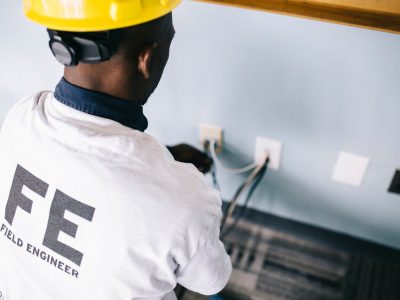
When an outlet stops working, it may be due to a tripped Ground Fault Circuit Interrupter (GFCI) or a loose connection. Test nearby GFCI outlets and press the “reset” button if necessary. If this doesn’t work, turn off the power and remove the outlet cover. Check for loose or disconnected wires and re-secure them if needed. If the outlet is damaged, replace it with a new one.
Installing a Ceiling Fan
Installing a ceiling fan can enhance airflow and energy efficiency in your home. Start by turning off the power at the breaker. Remove the existing light fixture and install a ceiling fan-rated electrical box. Follow the manufacturer’s instructions to attach the fan’s mounting bracket and connect the wiring. Secure the fan to the bracket, attach the blades, and restore power to test the installation.
Sealing Small Wiring Gaps
Over time, gaps may form around outlets, switches, or fixtures, allowing dust or pests to enter. To seal these gaps, turn off the power and remove the cover plate. Apply a small amount of caulk or spray foam insulation around the edges of the electrical box. Let it dry before reattaching the cover plate.
Using a Multimeter to Test Outlets
A multimeter is a handy tool for diagnosing electrical problems. To test an outlet, set the multimeter to measure AC voltage. Insert the probes into the slots of the outlet—one probe in the larger slot and one in the smaller slot. A reading between 110 and 120 volts indicates the outlet is functioning correctly. If the reading is outside this range, the outlet may need replacement.
Always prioritize safety by turning off the power before starting any project and using insulated tools. For complex problems or those involving your home’s main electrical system, consult a licensed electrician to ensure the repair is done correctly. Start small, and build your confidence as you tackle each repair!