 By
By Electrical repairs can seem daunting, but with basic knowledge and attention to safety, many common issues are manageable. Mastering these quick fixes not only enhances your home’s functionality but also helps you save on professional service fees. Here are essential electrical repairs every homeowner should learn to handle confidently and safely.
Resetting a GFCI Outlet
Ground Fault Circuit Interrupter (GFCI) outlets are designed to prevent electrical shocks by cutting off power when an imbalance is detected. If a GFCI outlet stops working, it may simply need to be reset. Locate the “reset” button on the outlet and press it firmly. If the outlet still doesn’t work, check other outlets on the same circuit and reset any tripped ones. Persistent issues may indicate a wiring fault or moisture infiltration, which requires professional assessment.
Fixing a Flickering Light
Flickering lights can be caused by loose bulbs, faulty fixtures, or issues with the electrical circuit. Start by tightening the bulb or replacing it with a new one to rule out a simple fix. If the problem persists, turn off the power and inspect the fixture for loose or damaged wiring. Secure the connections or replace the fixture if necessary. If multiple fixtures flicker, it may signal an issue with the circuit, requiring further investigation or professional help.
Replacing a Damaged Power Cord
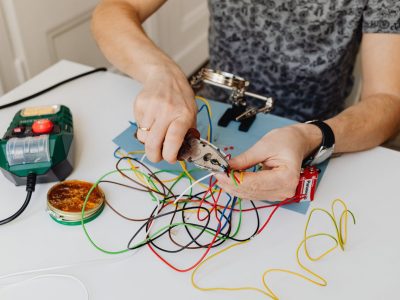
Frayed or damaged power cords pose a safety hazard and should be addressed promptly. To replace a damaged cord, unplug the appliance and cut off the defective portion. Strip the wires carefully and attach them to a new plug, ensuring the black (hot) wire connects to the brass terminal, the white (neutral) wire to the silver terminal, and the green (ground) wire to the green terminal. Secure the connections and test the cord to confirm it works properly. Always use insulated tools and avoid splicing cords unnecessarily.
Addressing a Loose Outlet
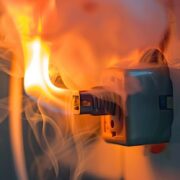
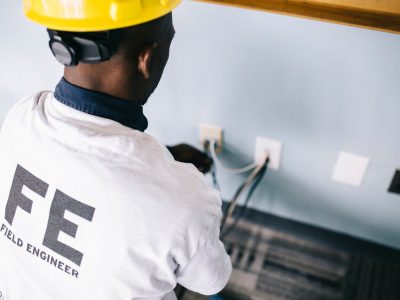
Loose outlets can lead to dangerous sparks or short circuits if not fixed. Turn off the power to the outlet and remove the cover plate. Check the mounting screws holding the outlet in place and tighten them to secure it. If the electrical box is recessed too far into the wall, use outlet spacers to bring it forward. Ensure the outlet sits flush with the wall before reattaching the cover plate and restoring power. A stable outlet reduces the risk of fire and improves the longevity of your electrical system.
Fixing a Blown Fuse
Older homes with fuse boxes may occasionally experience blown fuses due to overloading. To replace a blown fuse, first turn off the main power switch for safety. Identify the faulty fuse—usually the one with a broken filament or discolored appearance. Remove it and replace it with a new fuse of the same amperage rating. Turn the main power back on and test the circuit. Avoid replacing fuses with higher ratings, as this can damage your wiring and create fire hazards.