 By
By Dealing with electrical repairs can seem intimidating, but many common issues are straightforward enough for homeowners to handle with the right tools and knowledge. Tackling minor electrical problems yourself not only saves money but also gives you a better understanding of your home’s electrical system. Here are some simple yet effective electrical repairs that every homeowner can manage.
Fixing a Loose Wall Outlet
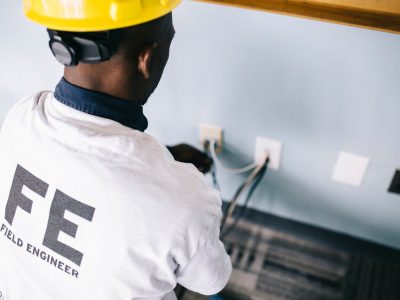
Loose wall outlets are not only inconvenient but also a potential safety hazard. To fix one, start by turning off the power to the outlet at the breaker box. Remove the faceplate and check for loose mounting screws. Tighten the screws to secure the outlet in place. If the outlet is recessed too far into the wall, use plastic spacers to bring it flush with the surface. Reattach the faceplate and restore power to ensure the outlet is secure.
Resetting a Tripped Circuit Breaker
A tripped circuit breaker is one of the most common electrical issues in homes. When certain outlets or lights stop working, check the breaker panel for a switch in the “off” or middle position. Flip it fully to the “off” position before switching it back to “on.” If the breaker trips repeatedly, it may indicate an overloaded circuit or a faulty appliance, which might require professional inspection.
Replacing a Light Switch
If a light switch becomes unresponsive or feels warm to the touch, it may need replacing. Start by turning off the power to the switch at the breaker panel. Unscrew the cover plate and the switch itself, then disconnect the wires. Attach the wires to the corresponding terminals on the new switch, secure it to the wall, and replace the cover plate. Restore power and test the switch to confirm the repair.
Addressing a Flickering Light
Flickering lights can result from loose bulbs or faulty connections. Tighten the bulb in the fixture; if the flickering persists, turn off the power and inspect the fixture’s wiring. Secure any loose wires or replace the fixture if it appears damaged. Persistent flickering across multiple fixtures may indicate a broader wiring issue that requires professional attention.