 By
By As technology continues to evolve, many homeowners are embracing the convenience and efficiency of smart home devices. From smart switches to gadgets for a smart home, the integration of these technologies can significantly enhance our daily lives. However, with these advancements comes the responsibility to ensure the safety of your home’s electrical systems. This is where regular home electrical inspections become crucial.
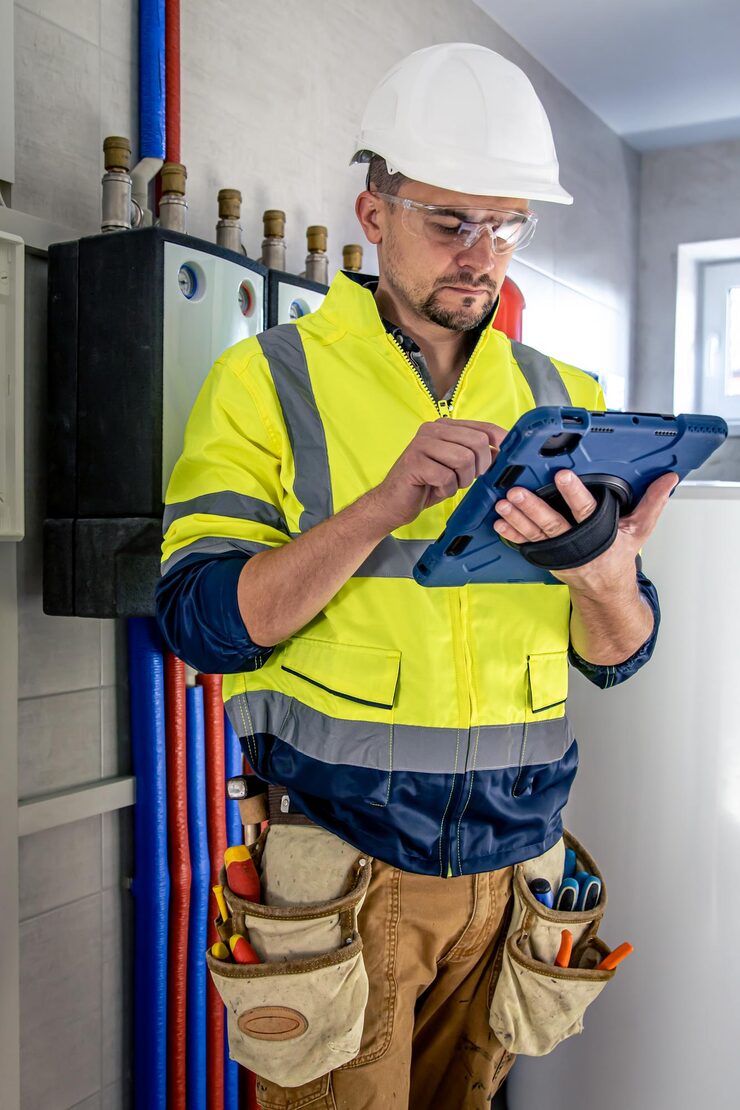
Home electrical inspections
In this article, we’ll explore why smart home security is essential, the role of electrical inspections, and how to keep your home’s electrical system safe, secure, and up-to-date with the newest smart home technology.
Understanding Smart Home Security
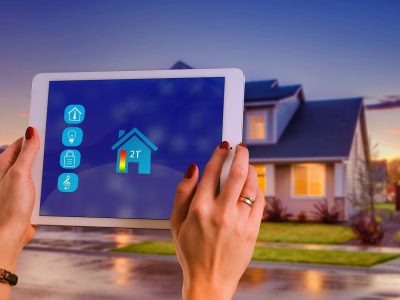
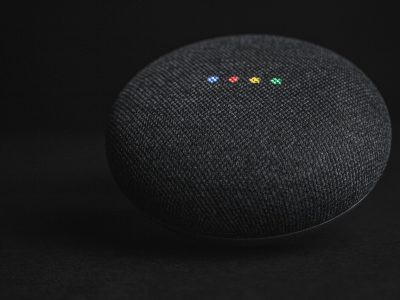
Smart homes are no longer just a futuristic concept; they are now an integral part of many households. Devices like smart home devices provide enhanced security, convenience, and control. Smart switches enable you to manage lights, appliances, and security systems remotely, while other gadgets for a smart home can monitor everything from energy usage to air quality.
However, these devices rely heavily on a reliable electrical system. Any malfunction in the electrical wiring or connections could lead to failure in smart devices, creating potential security risks. This is why home electrical inspections are vital before integrating these technologies into your home. A thorough inspection ensures that your electrical system can handle the increased load from these devices without causing safety issues such as power surges or fire hazards.
The Role of Electrical Inspections in Smart Home Integration
Before installing any new smart home devices, it’s essential to ensure that your home’s electrical wiring is up to code. An electrical inspection will assess various aspects of your system, including outlets, circuits, and overall capacity. For example, installing smart switches that require constant power flow may be incompatible with older wiring systems, increasing the risk of overloading circuits.
Moreover, the inspection checks for signs of wear and tear in your electrical system, such as frayed wires or outdated circuit breakers, which could be dangerous when paired with modern technology. Regular home electrical inspections help identify these problems early, preventing costly repairs and potential hazards down the road.
The Newest Smart Home Technology and Electrical Safety
As we move towards more advanced smart home technologies, the need for smart home security becomes even more critical. New technologies like automated lighting systems, intelligent thermostats, and even smart refrigerators require a stable, efficient power source to operate safely. Without an electrical inspection, these advanced devices could put your home at risk due to faulty wiring or inadequate circuits.
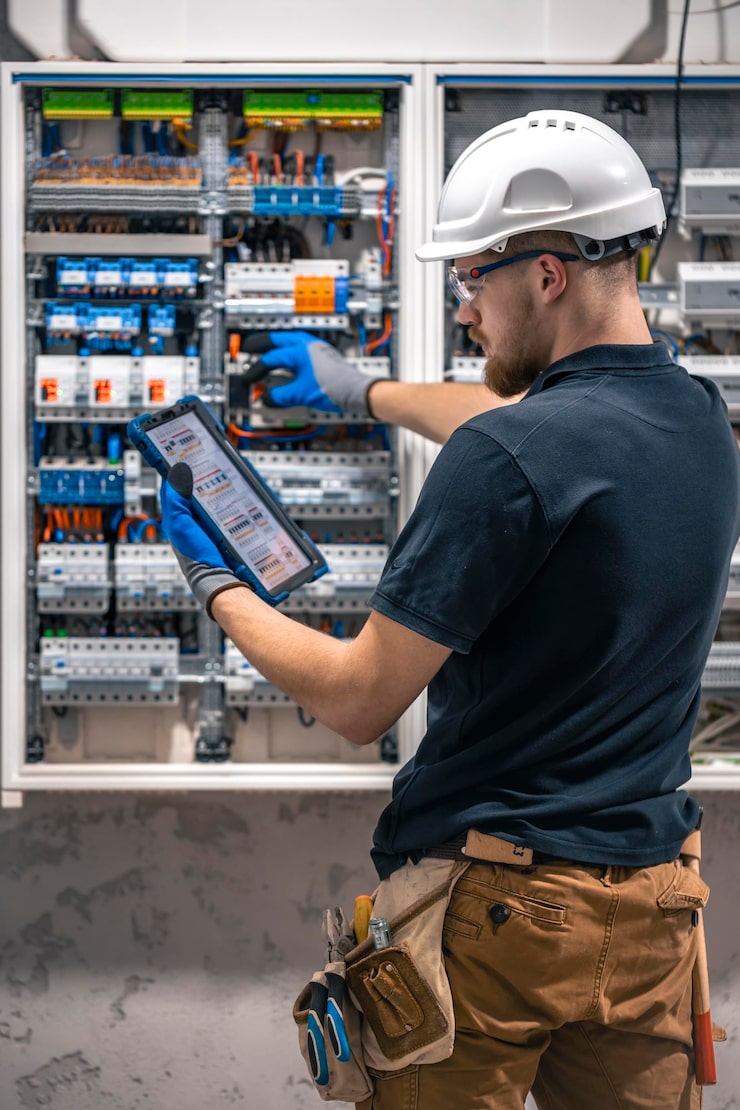
Home electrical inspections
The newest gadgets for a smart home often come with energy-saving features, but they also demand specific power requirements that older homes may not be equipped to support. Therefore, it’s essential to evaluate your home’s electrical capacity to ensure it can support these energy-hungry devices without causing damage to your system or reducing their efficiency.
Conclusion
Incorporating smart home devices into your home can greatly improve your lifestyle, but it also places additional demands on your electrical system. To ensure safety and efficiency, it’s vital to invest in regular home electrical inspections. These inspections provide peace of mind, ensuring that your home’s electrical system is secure enough to support the latest smart home technology and smart home security measures. With proper maintenance, you can enjoy the full benefits of modern gadgets without compromising your home’s safety.