
 By
There’s a certain kind of dread that comes with hearing “someone slipped” over a work radio. It’s usually followed by a scramble – checking on the person, filling out incident reports, maybe a visit from someone in safety compliance. And more often than not, when you trace the cause back, it’s the floor. Not carelessness, not bad luck. Just a surface that was never really built to handle wet, greasy, or high-traffic conditions in the first place.
It’s one of those things that’s easy to overlook until it actually happens. Floors don’t announce that they’re a hazard. They just sit there looking fine, right up until someone’s carrying a tray, or mopping up a spill, or walking through after a rainstorm, and suddenly they’re not fine at all.
Why Standard Flooring Keeps Falling Short Here
Plain concrete, polished tile, even some basic coatings – none of them were really designed with slip resistance as the priority. They might look clean and professional, but glossy surfaces in particular can turn into a hazard the second any moisture or oil hits them. And in places like commercial kitchens, warehouses, garages, or manufacturing floors, moisture isn’t a rare event. It’s basically a daily guarantee.
This is exactly why so many facility managers have started prioritizing slip resistant epoxy flooring over standard finishes. It’s engineered with texture built right into the surface, so it maintains grip even when things get wet, without sacrificing that clean, professional look everyone still wants.
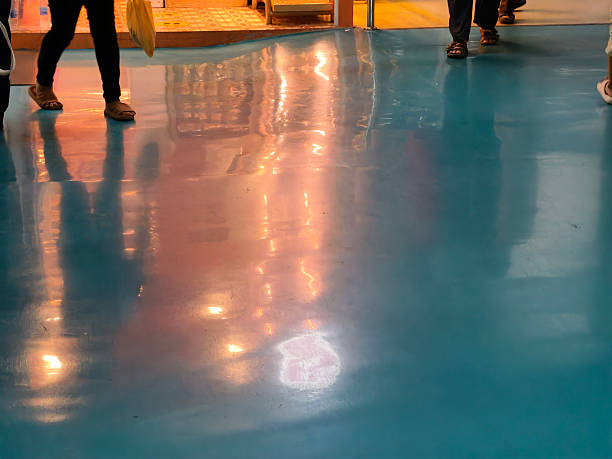
What Actually Makes a Floor Safer to Walk On
It really comes down to texture and how the surface is finished during application. Additives get mixed into the coating to create a slightly rougher, grippier surface, and the level of texture can actually be adjusted depending on how much traffic or moisture a space deals with. A loading dock might need something grittier than, say, a retail showroom floor.
- Worth keeping in mind: more texture generally means better grip, but it can also mean the floor’s a little harder to keep spotless, so it’s worth finding the right balance for how your space actually gets used day to day.
That balance is honestly where a lot of the value comes from working with someone experienced, rather than just picking the grippiest option available and hoping for the best.
The Ripple Effect of Getting This Right
Beyond the obvious safety win, there’s a financial angle too that a lot of businesses don’t think about until later. Slip-and-fall incidents are expensive – medical costs, potential liability claims, insurance premium increases, not to mention the disruption to daily operations while everyone deals with the aftermath. A floor that actually prevents those incidents from happening in the first place is one of those investments that quietly pays for itself over time.
There’s also a morale piece to this that’s easy to underestimate. Employees notice when a workplace takes safety seriously, and a floor that doesn’t feel sketchy underfoot is a small but real part of that overall sense of being looked after.
Bringing It All Together
Flooring safety isn’t the most exciting topic, sure, but it’s one of those decisions that quietly protects people every single day without anyone really thinking about it – which is exactly how it should work. If your current floor has been feeling a little too slick for comfort, especially in areas dealing with regular moisture or spills, it’s probably worth a second look. High Performance Systems has helped plenty of businesses tackle exactly this kind of safety upgrade, matching the right level of texture and grip to the way a space is actually used. A little proactive planning here goes a long way toward avoiding an accident nobody wanted to deal with in the first place.
FAQs
- Does a textured floor sacrifice the clean, professional look?
Not really – most systems can be customized so the grip is there without making the floor look rough or unfinished.
- How much does slip resistance actually reduce accidents?
It varies by space, but facilities that upgrade typically see a noticeable drop in slip-related incidents, especially in wet or greasy areas.
- Is this a good fit for outdoor spaces too?
Yes, it works well for ramps, walkways, and other outdoor areas that deal with rain or moisture regularly.
- Will it be harder to clean than a smooth floor?
It can require slightly more attention depending on the texture level, but most systems still clean up easily with regular maintenance.
- Can existing floors be upgraded, or does it need a full replacement?
In most cases, existing concrete or older coatings can be prepped and upgraded without a full teardown.


